Course Overview
Course Duration
- Total Duration: 1 year (12 months)
- Classroom Training: 6 months
- Clinical Internship: 6 months
Course Overview
The Diploma in Cardiac Technician is a specialized paramedical program designed to train students in assisting cardiologists and healthcare professionals in diagnosing and treating heart-related conditions. Cardiac technicians play a critical role in conducting and analyzing diagnostic tests such as electrocardiograms (ECG), stress tests, and echocardiograms, as well as preparing patients for various cardiac procedures.
This course provides a comprehensive understanding of cardiac anatomy, physiology, and pathology, combined with hands-on training in operating advanced diagnostic equipment. Students will gain the technical expertise to ensure accurate results and support in life-saving cardiac interventions. With the rising incidence of cardiovascular diseases, this program offers excellent career opportunities in hospitals, diagnostic centers, and cardiac care units.
Course Description
The Diploma in Cardiac Technician program is tailored to meet the increasing demand for skilled cardiac care professionals. The curriculum covers a wide range of topics, including cardiac anatomy and physiology, electrocardiography, cardiac imaging techniques, and emergency cardiac care. Students are trained to assist in procedures such as angiography, angioplasty, and pacemaker implantation.
The program emphasizes practical learning, with extensive training in the use of cardiac diagnostic tools and patient preparation for tests and procedures. Students also learn about managing critical cardiac emergencies and maintaining cardiac equipment.
Graduates of this program can work as cardiac technicians in hospitals, diagnostic centers, cardiac rehabilitation units, and specialized heart care facilities. With the knowledge and skills acquired, they can contribute significantly to improving cardiac health outcomes.
Curriculum
Module 1: Fundamentals of Cardiology
- Anatomy and Physiology of the Heart
- Common Cardiac Disorders and Diseases
Module 2: Cardiac Diagnostic Techniques
- Electrocardiogram (ECG) and Stress Testing
- Echocardiography and Cardiac Imaging
Module 3: Cardiac Care and Procedures
- Assisting in Angiography and Angioplasty
- Pacemaker and Defibrillator Procedures
Module 4: Emergency Cardiac Care
- Management of Cardiac Arrest and Stroke
- Basic Life Support (BLS) and Advanced Cardiac Life Support (ACLS)
Module 5: Clinical Internship
- Hands-on experience in cardiac care units
- Exposure to advanced diagnostic and interventional procedures
Requirements
- Educational Qualification: 10+2 (Intermediate) in Science with Biology, Physics, and Chemistry as core subjects.
- Minimum aggregate of 50% marks in the qualifying examination.
- Some institutions may require clearing an entrance exam or interview.
Features
- In-depth understanding of cardiac care and diagnostic procedures.
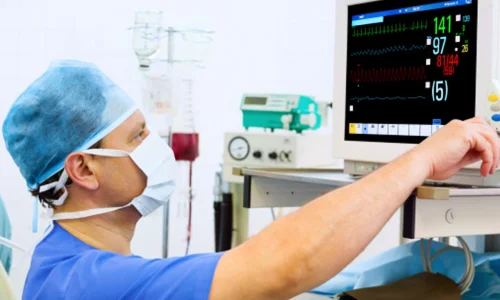
- Hands-on training in advanced cardiac diagnostic equipment like ECG and echocardiograms.
- Clinical internships in reputed hospitals and cardiac care units.
- Guidance from experienced cardiologists and healthcare professionals.
- Placement assistance in leading healthcare institutions.
Curriculum
- 5 Sections
- 10 Lessons
- 52 Weeks
- Module 1: Fundamentals of Cardiology2
- Module 2: Cardiac Diagnostic Techniques2
- Module 3: Cardiac Care and Procedures2
- Module 4: Emergency Cardiac Care2
- Module 5: Clinical Internship2