Course Overview
Course Duration
- Total Duration: 1 year (12 months)
- Classroom Training: 6 months
- Clinical Internship: 6 months
Course Overview
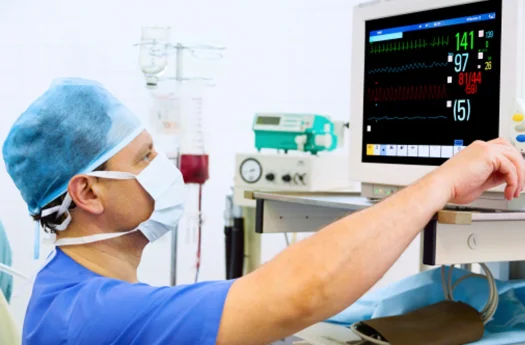
The Diploma in Anesthesia Technician program is designed to equip students with the skills and knowledge required to assist anesthesiologists in providing safe and effective anesthesia care during surgeries and medical procedures. This specialized course covers the preparation and maintenance of anesthesia equipment, patient monitoring, and the management of critical situations in the operating room.
Students will gain a thorough understanding of anesthesia techniques, pharmacology, and the role of an anesthesia technician in preoperative, intraoperative, and postoperative care. The program combines theoretical instruction with hands-on training, ensuring students are well-prepared for the demands of a high-pressure healthcare environment.
With the increasing complexity of medical procedures and surgeries, there is a growing demand for skilled anesthesia technicians in hospitals, surgical centers, and trauma care units.
Course Description
The Diploma in Anesthesia Technician program offers specialized training in assisting anesthesiologists during surgical procedures. The curriculum focuses on preparing anesthesia machines, monitoring patient vitals, and understanding anesthesia drugs and their effects. Students learn to maintain sterile environments, handle emergency situations, and provide compassionate care to patients.
Practical training during the clinical internship provides real-world experience in operating rooms, intensive care units, and emergency care settings. Students gain proficiency in setting up and maintaining anesthesia equipment, troubleshooting issues, and ensuring patient safety throughout the procedure.
Graduates of this program can pursue careers in hospitals, diagnostic centers, surgical units, and trauma care facilities. With the growing demand for anesthesia services in modern healthcare, this diploma offers a pathway to a rewarding and impactful career.
Curriculum
Module 1: Basics of Anesthesia Care
- Anatomy and Physiology Relevant to Anesthesia
- Principles of Anesthesia and Patient Safety
Module 2: Anesthesia Equipment and Technology
- Preparation and Maintenance of Anesthesia Machines
- Understanding Monitoring Devices and Their Use
Module 3: Anesthesia Pharmacology
- Overview of Anesthetic Drugs and Their Effects
- Dosage Calculations and Administration
Module 4: Emergency and Critical Care
- Managing Anesthesia-related Complications
- Basic Life Support (BLS) and Advanced Life Support (ALS)
Module 5: Clinical Internship
- Hands-on training in operating rooms and ICUs
- Assisting anesthesiologists during surgeries and emergency procedures
Requirements
- Educational Qualification: 10+2 (Intermediate) in Science with Biology, Physics, and Chemistry as core subjects.
- Minimum aggregate of 50% marks in the qualifying examination.
- Some institutions may require clearing an entrance test or interview.
Features
- Comprehensive training in anesthesia techniques and patient monitoring.
- Hands-on experience with modern anesthesia equipment and technologies.
- Clinical internships in reputed hospitals and surgical centers.
- Guidance from experienced anesthesiologists and healthcare professionals.
- Placement support for a promising career in healthcare.
Curriculum
- 5 Sections
- 10 Lessons
- 52 Weeks
- Module 1: Basics of Anesthesia Care2
- Module 2: Anesthesia Equipment and Technology2
- Module 3: Anesthesia Pharmacology2
- Module 4: Emergency and Critical Care2
- Module 5: Clinical Internship2