Course Overview
📅 Course Duration: 2 Years (4 Semesters)
🎓 Eligibility: 10+2 (Science preferred) or equivalent
🏥 Internship: Mandatory hospital/diagnostic lab training
📖 Course Description:
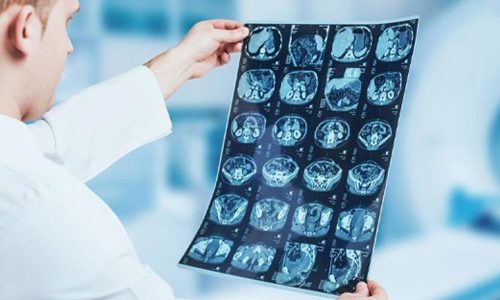
The Diploma in Medical Imaging Technician (DMIT) is a 2-year specialized program designed to train students in radiology and imaging technology. Medical imaging is a crucial part of modern healthcare, enabling accurate diagnosis and treatment planning. This course provides in-depth training in X-ray, ultrasound, CT scan, MRI, and digital radiography.
Students will gain theoretical knowledge and hands-on experience in operating imaging equipment, patient positioning, radiation safety, and image interpretation. The curriculum covers anatomy, physiology, radiation physics, contrast studies, and emergency imaging techniques. With a strong emphasis on practical training, students will work in hospitals, diagnostic labs, and radiology departments to develop real-world skills.
The demand for medical imaging professionals is rising globally due to advancements in diagnostic technology. Graduates of this program will be qualified for roles such as X-ray Technician, Radiology Assistant, CT/MRI Technician, and Sonographer in hospitals, diagnostic centers, and healthcare institutions.
This diploma also serves as a foundation for higher education in radiology and imaging sciences. The course is industry-oriented, ensuring students are well-prepared to meet professional challenges. With access to modern imaging labs and expert faculty, students will gain the technical expertise needed to excel in the field of diagnostic imaging.
If you are looking for a rewarding career in healthcare and diagnostic technology, this course offers a fast-track entry into the medical field.
📚 Course Curriculum
Semester 1: Introduction & Basic Concepts
- Fundamentals of Medical Imaging
- Introduction to radiology & imaging techniques
- Role of medical imaging in diagnosis & treatment
- Anatomy & Physiology
- Understanding human body systems
- Correlation of anatomy with imaging
- Medical Terminology & Ethics
- Medical terms related to radiology
- Patient care, safety & ethical responsibilities
- Radiation Physics & Equipment Handling
- Basics of radiation & its applications
- X-ray machine components & functions
Semester 2: Radiography & Safety Measures
- X-Ray Imaging Techniques
- Positioning methods for different body parts
- Handling portable & fixed X-ray machines
- Radiation Protection & Safety
- Principles of radiation exposure control
- Safety measures for patients & technicians
- Contrast Media & Special Procedures
- Role of contrast agents in imaging
- Specialized radiographic techniques
Semester 3: Advanced Imaging Modalities
- Ultrasound & Sonography Techniques
- Principles of ultrasound imaging
- Abdominal, obstetric & cardiac ultrasound
- CT Scan & MRI Imaging
- Cross-sectional imaging techniques
- Understanding MRI physics & safety
- Digital Imaging & PACS (Picture Archiving & Communication System)
- Digital radiography & image enhancement
- PACS for image storage & retrieval
Semester 4: Clinical Training & Special Applications
- Fluoroscopy & Interventional Radiology
- Live imaging techniques used in surgeries
- Role of fluoroscopy in medical procedures
- Emergency & Trauma Radiology
- Rapid imaging for emergency cases
- Radiographic procedures in trauma care
- Internship & Hands-on Training
- Practical exposure in hospitals & imaging centers
- Working with X-ray, CT, MRI & ultrasound machines
Requirements
- ✅ Eligibility: 10+2 (Science preferred) or equivalent Background in Biology, Physics & Chemistry is beneficial
- ✅ Age Requirement: Minimum 17 years of age
- ✅ Skills Required: Strong analytical & observational skills Attention to detail & problem-solving ability Good communication & patient care skills
- ✅ Admission Process: Submission of application form Verification of academic qualifications Entrance exam/interview (if applicable)
Features
- ✔️ Comprehensive Curriculum – Covers X-ray, CT, MRI, Ultrasound, and digital imaging techniques.
- ✔️ Hands-on Training & Internship – Practical exposure in diagnostic labs and hospitals.
- ✔️ Job-Oriented Program – High demand for skilled medical imaging technicians in healthcare.
- ✔️ Industry-Recognized Certification – Enhances career opportunities in radiology and diagnostic imaging.
- ✔️ Expert Faculty & Modern Labs – Learn from radiology professionals with access to advanced imaging equipment.
- ✔️ Fast-Track Career Growth – Complete the course in 2 years and start working immediately.
- ✔️ Affordable Fees & Placement Support – Cost-effective program with job placement assistance.
Curriculum
- 4 Sections
- 13 Lessons
- 52 Weeks
- Semester 1: Introduction & Basic Concepts4
- Semester 2: Radiography & Safety Measures3
- Semester 3: Advanced Imaging Modalities3
- Semester 4: Clinical Training & Special Applications3